
"drought-tolerant crops"
10550 article(s) found

How organic coffee is different from traditional coffee
How organic coffee differs from traditional coffee: coffee factories traditionally grow in shade trees and other food and commodity crops. This approach is done for healthier soil and prevented water pollution. Unfortunately, many coffee growers have abandoned this approach in favor of larger crops and greater profits. However, integrated pesticides, herbicides and fertilizers have become necessary

Coffee flavor and taste of one of the main cash crops in Tanzania A brief introduction to Arusha Coffee Manor
The coffee beans produced here are all exported from Kilimanjaro, but in addition to Mount Kilimanjaro, there are several major coffee producing areas throughout Tanzania, there are more small farms in other areas, and most small farms also have a planting area of several hundred mu. Some have their own washing equipment and bean drying farms, but the grading treatment still has to go through large-scale treatment.

Introduction to the treatment method of planting and Development History of single Bean Flavor description varieties in Colombia
For the exchange of professional baristas, please follow the Coffee Workshop (Wechat cafe_style) Colombia Colombian population: 47073000 Colombia has well-defined growing areas and the impressive variety of coffee they produce. Whether you want round, heavy coffee, refreshing, fruity (or somewhere in between), the most

Puerto Rican Coffee Variety Flavor description Taste characteristics Fine Coffee introduction
Coffee cultivation has brought them good returns. In the 1860s, they dominated the coffee industry on the island, when Puerto Rico produced the sixth largest coffee bean in the world. The coffee trees planted by Corsican immigrants on the highlands were regarded as selected, and the origin of Yauco Selecto coffee beans was mainly traced back to this period, but there were two strong hurricanes in 1898.

The basic knowledge of buying Coffee beans
The easiest way to judge the delicious coffee at the time of pawn is to sigh the filter paper.

Coffee goes through all over the world
From the 17th century to the early 18th century, the habit of drinking coffee spread from Europe, from the west to the whole of Europe, and eastward to India and present-day Indonesia. As for coffee as a growing crop, the Islamists brought the seeds from Yemen to India, and then Europe introduced the seeds to Ceylon and Java. Bring seeds from Java to Amsterdam
Coffee Culture Story Coffee and the Hebrew Story
The cultivation of coffee as a crop, though not widespread, has been around since the time of Abraham. If you read the Bible carefully and are familiar with the geography of Mesopotamia, Arabia and Egypt, you will surely find that coffee was a disorderly growing crop and a Hebrew drink between 1800 BC and 800 AD.
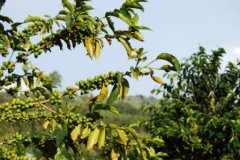
Grade G1 original species of snow caffeine from Worka estate in Waka, Ethiopia
Today, there are still a large number of wild Arabica coffee trees growing in many parts of Ethiopia, averaging between 4200 and 6800 feet above sea level. Now there is a trend of small cultivation, generally planting banana trees for shade at the same time, but due to lack of agricultural technology, herbicides and pesticides are less used. Coffee is Ethiopia's main economic crop and the largest in the country.

The judgment of the purchase of coffee beans at the time of pawn
The easiest way to judge the delicious coffee at the time of pawn is to sigh the filter paper.
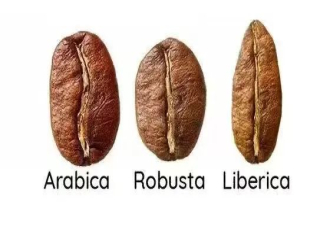
Why is the Philippines the largest producer of crops in Liberia?
Today's commercial coffee market is divided between Arabica and Robusta, as we know them. They are the small and medium seeds of the three major varieties of coffee, and in this vast market, only the three major varieties of large seeds "Liberica" lack a place. Liberica Liberica grows at lower elevations.

Description of Brazilian Coffee Flavor with extremely smooth entrance introduction of varieties with the characteristics of grinding degree
In terms of natural conditions, Brazil is in the tropics, with a tropical rain forest climate in the north, hot and humid all the year round, suitable for tropical crops, coffee trees are sunny crops, and sufficient sunlight is the condition for their growth. Historically, Brazil has been a Portuguese colony for a long time. In order to meet the needs of Western Europe, Brazilian coffee has been growing single crops for a long time and developing tropical plantations.

Introduction to the origin of organic coffee in Thailand _ which brand of Thai coffee tastes good _ the price of Thai coffee beans
For more information on coffee beans, please follow the coffee workshop (Wechat official account cafe_style) ● Akama Coffee Farm (Akha Ama), which is run by a group of aka people (the Akha) living in the village of Maejantai in the mountains of northern Thailand. As the local climate is very suitable for growing Arabica coffee beans (A
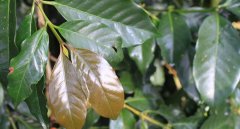
Why is organic coffee expensive? Will organic coffee be a safer coffee?
When it comes to organic coffee, as we often mention, organic tea actually means the same thing, what is the organic definition related to coffee. Then let's go on to learn a little bit more about it. Organic certification of crops, in this case, coffee has four basic components: 1. Do not use synthetic pesticides, herbicides or fungicides.
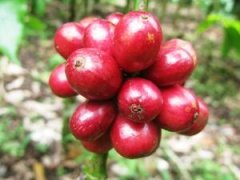
How to choose the necessary materials for making creative coffee
Fruit Taiwan has always been known as the kingdom of fruit, and there are many sweet fruits to eat all the year round, so fruit is the easiest ingredient for creative coffee, and when fruit ingredients are used, there is usually a problem of sour fruit, because the sour taste of coffee will often worsen the flavor of coffee, so try to use sweeter and richer fruit when matching it.

Introduction of varieties with flavor and taste characteristics of Brazilian coffee manor with diversity
In terms of natural conditions, Brazil is in the tropics, with a tropical rain forest climate in the north, hot and humid all the year round, suitable for tropical crops, coffee trees are sunny crops, and sufficient sunlight is the condition for their growth. Historically, Brazil has been a Portuguese colony for a long time. In order to meet the needs of Western Europe, Brazilian coffee has been growing single crops for a long time and developing tropical plantations.

Rwanda Musasha coffee bean flavor _ Rwanda coffee producing area story _ how much is Rwanda coffee bean
Professional coffee knowledge exchange more coffee bean information Please follow the coffee workshop (Wechat official account cafe_style) Rwanda coffee beans Musasha Cooperative African Elephant Coffee grown at 1500 to 2000 meters above sea level, mainly bourbon, traditional washing treatment, with dried lemon, wild berry acid, citrus, plum juicy flavor, maple syrup sweet, dark chocolate deep flavor.

Introduction of Brazilian Yellow bourbon Coffee Bean Flavor description Grinding scale Variety Taste Manor
Brazil yellow bourbon coffee bean flavor description grinding scale variety taste manor introduction Brazil is in the tropics, the north is a tropical rain forest climate, hot and humid all the year round, suitable for the growth of tropical crops, coffee trees are sunny crops, sufficient sunlight is the condition for its growth. Historically, Brazil has been a Portuguese colony for a long time, and it has been ordered for a long time to meet the needs of Western Europe.

Introduction to the taste of high-quality coffee beans in Puerto Rico coffee producing areas with complete flavor
Farmers have to wait two years to get their crops back to normal, during which the United States is interested in Puerto Rico's sugar production, and European countries no longer impose tariffs on Puerto Rican coffee beans as crops produced in their colonies. Puerto Rico coffee has been hit hard. The Caribbean is a warm, romantic and mysterious sea, and a lot of good coffee surrounds the ring of Jamaica.

Introduction to sweet Puerto Rican coffee beans with charming single malt aroma
Puerto Rico's new farm coffee is a mild, supple and well-balanced island bean with a charming single malt flavor, extremely sweet when sipped in a cup, and medium-roasted creamy and greasy texture that is often suitable for Puerto Rico island beans. Product description: the whole history of Caribbean coffee has a lot to do with the Spanish reclamation, in the 18th century.

There is also a way to tell whether the coffee is delicious or not when brewing coffee.
The easiest way to make delicious coffee is to sigh the filter paper filter pawn.